It All Started with MS-DOS Games
Before I ever wrote a line of production code, there was a beige tower in the
family room, a monitor roughly the weight of a small refrigerator, and a
blinking C:\> prompt that did absolutely nothing unless you knew the magic
words.
My earliest interactions with computers were MS-DOS games. My brother and I would spend entire summers glued to that machine, taking turns and arguing about whose turn it actually was. Our rotation was heavy on three classics: Arctic Adventure, Pharaoh’s Tomb, and Desert Tank Wars.
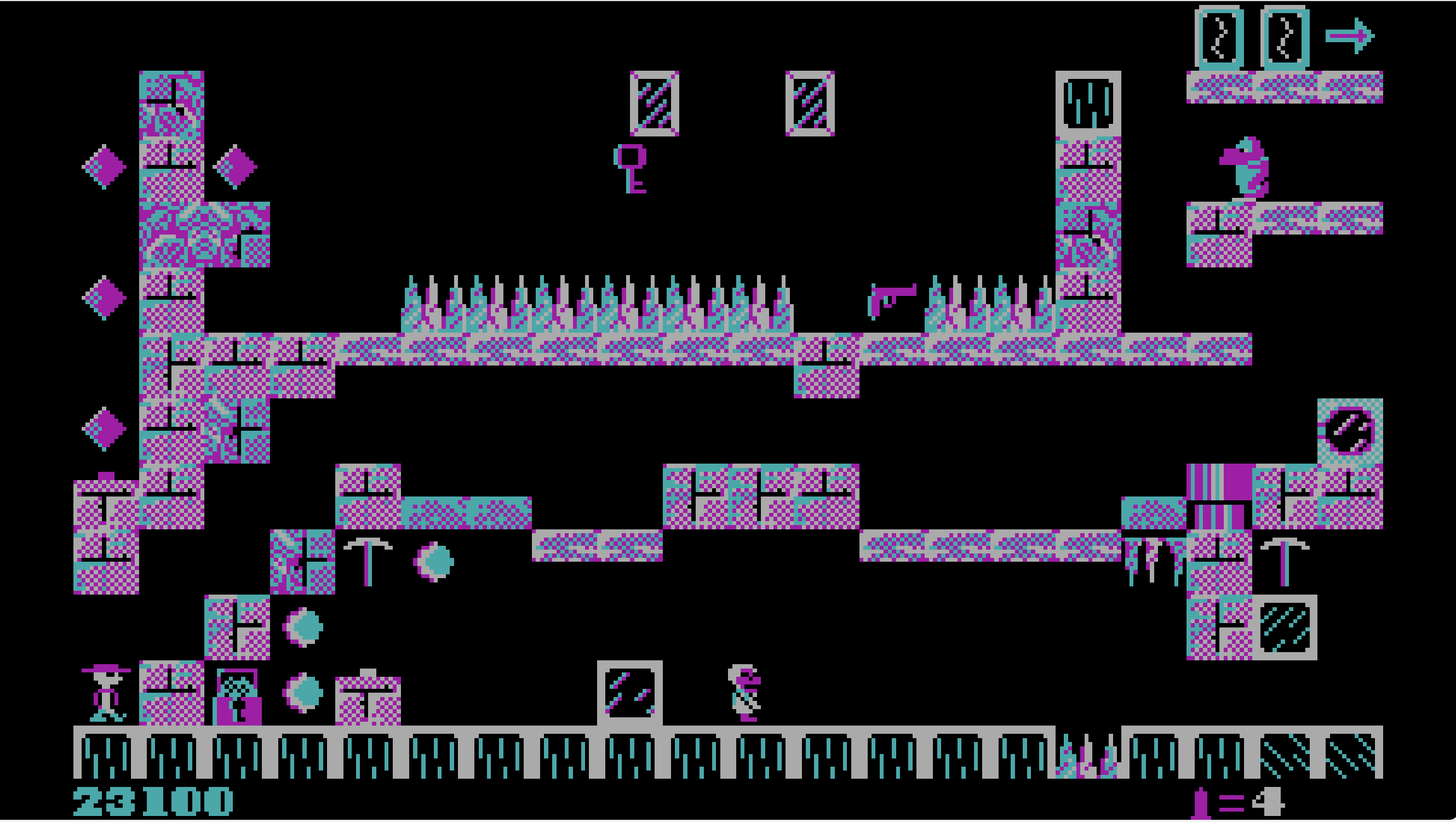
Arctic Adventure was our platformer of choice: four glorious CGA colors, and somehow every single one of them was used for spikes. You’d inch toward a key, misjudge a jump by one pixel, and hand the keyboard over in disgust. Repeat until dinner.
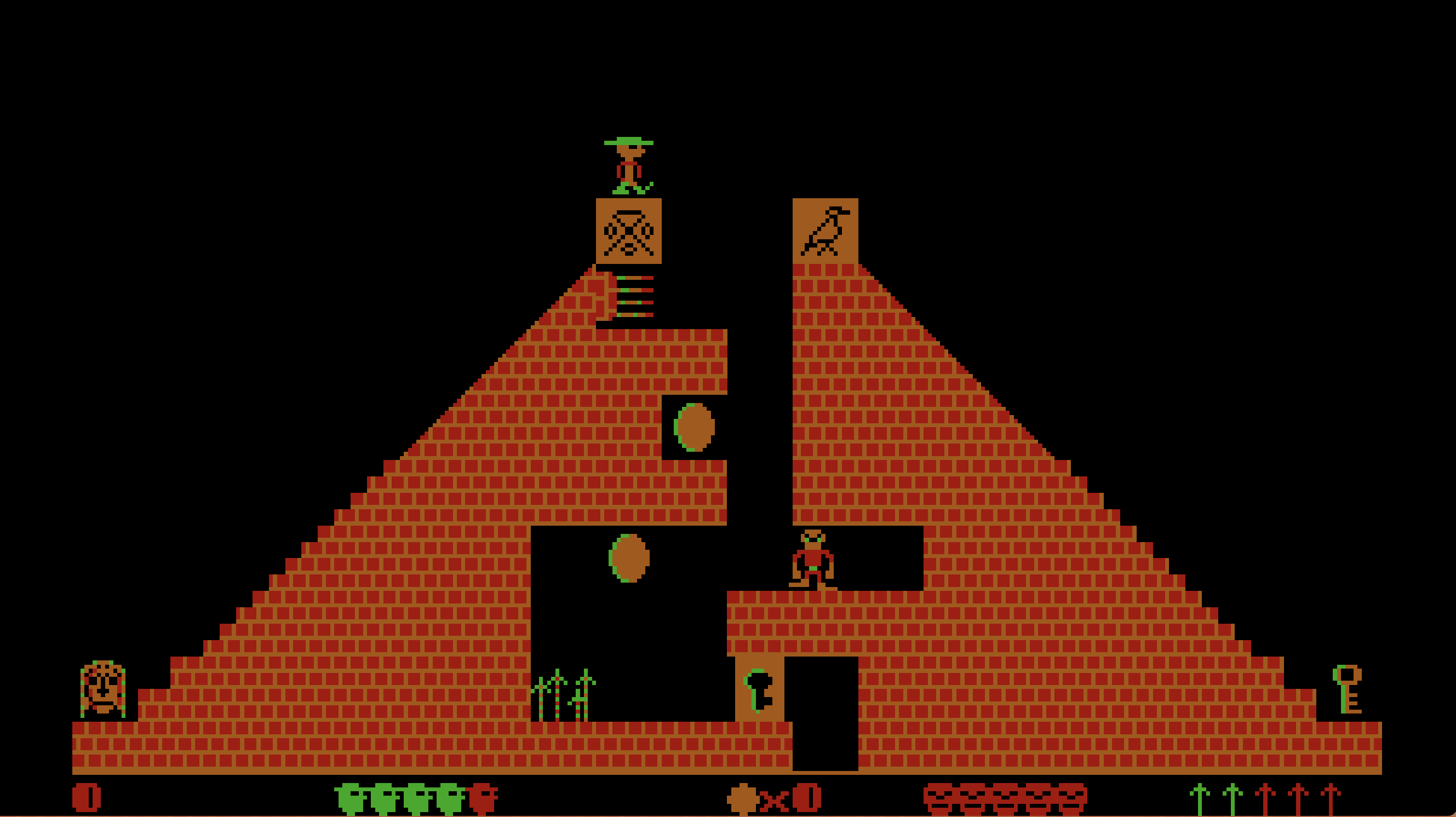
Pharaoh’s Tomb was the same energy but with more boulders. Looking at these screenshots now, I’m realizing my entire childhood gaming career was mostly avoiding pointy things in 320x200 resolution.
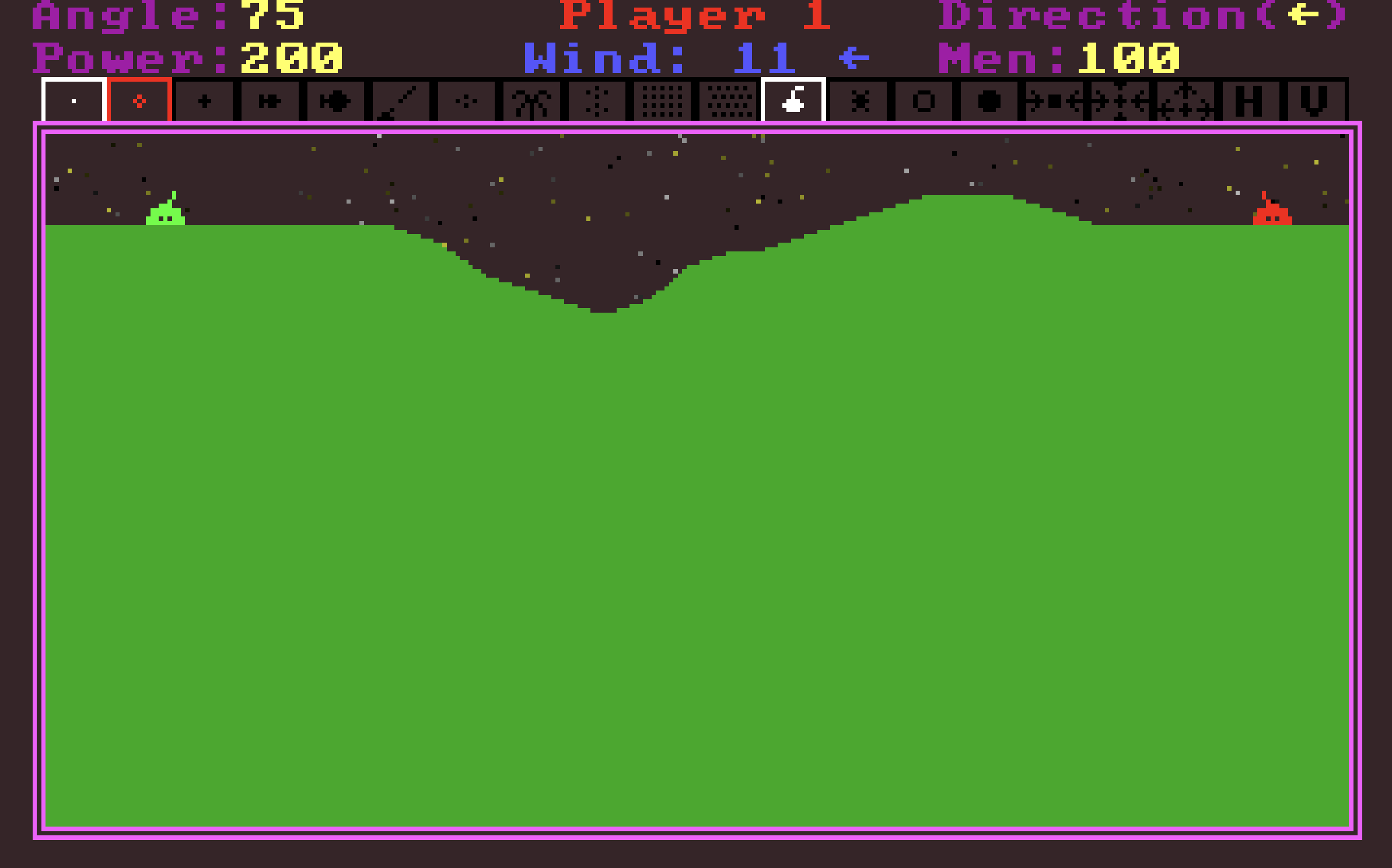
And then there was Desert Tank Wars, the crown jewel of sibling warfare. Pick an angle, pick a power, account for the wind, and lob a shell across the map at your brother’s tank. I didn’t know I was doing physics. I just knew that Angle 75, Power 200, and an 11 mph headwind meant I was about to blow myself up.
But honestly, the games were only half of it. The other half was the command line itself. To play anything, you had to type things, and I could not stop tinkering. I’d poke around directories, try commands I’d seen somewhere, rename things just to see what happened. And every so often, “just to see what happened” meant accidentally deleting a system file, and suddenly the family computer wouldn’t boot.
There’s no motivator quite like knowing you broke the family computer and your parents haven’t found out yet. That’s how I ended up learning DOS commands: from a boot disk, in a mild panic, copying files back and editing config files until Windows booted again. Good times, honestly.
Between racing to fix the computer before anyone noticed and grinding through those games one impossible screen at a time, something clicked. That’s where my love of problem solving comes from. It’s the same loop I still live in as an engineer today: something’s broken, nobody’s coming to save you, read the error, form a theory, try it, repeat. The stakes were just lower. Grounded, instead of a production incident.
I still have my original 5.25” floppy disks, by the way. Nothing in my house can read them anymore, but I’m keeping them anyway.